Botulinum toxin, a neurotoxin secreted by the bacterium Clostridium botulinum, is the most poisonous substance known in nature. It takes the injection of just 3 billionths of a gram to kill a 70 kilo adult human.
Botulinum toxin interfere with the nervous system by blocking the release of acetylcholine, the main muscular neurotransmitter. This leads to muscle paralysis and will cause the victim to suffocate as the muscles controlling the heart and lungs give out.
Until recently, seven exotoxins have been identified as secreted by C. botulinum, - A, B, C1, C2, D, E, F and G. People poisoned with these toxins can be treated with monoclonal antibodies (artificial immune proteins) to reverse the toxic effects. Botulinum toxin A is used to induce muscle weakness lasting about six months, which can alleviate issues such as bladder incontinence and is used for cosmetic treatments on facial lines.
In October 2013 it was announced that an eighth type of botulinum toxin, H, had been discovered in the feces of a child suffering from botulism. Genetic sequencing of the bacterial DNA encoding this toxin has revealed that it is part of a separate branch on the botulinum family tree.
Upon the discovery of a new gene, it is common practise that the genetic data is submitted to the public database GenBank. However is has been decided that the coding for toxin H is best kept out of the public domain.
Tests of toxin H antibodies (grown in rabbits) upon mice have shown that, whilst the antibody is capable of protecting against toxin H, a huge dose is needed. Until a better, stronger antibody can be created it various US government agencies have felt that it is in the public interest to limit knowledge of this toxic.
Thursday, 16 January 2014

Monday, 6 January 2014
The birds, the bees and the Cretaceous plants
cluster of 18 tiny flowers was found preserved in amber in Burma. This very well preserved budding plant shows the oldest direct evidence of sexual reproduction in flowering plants. Scientist from Oregon State University, collaberating with researchers in Germany, published their findings in the Journal of the Botanical Institute of Texas.
The plant has been named Micropetasos burmensis and each flower is only a couple of millimeters long. Preserved in the mid-Cretaceous period, these flowers give a sense of how the environment of the Earth begun to change with the emergence of flowering plant life. Whilst dinosaurs where still very much the dominant form of life, new lineages of mammal and birds where gradually emerging and the Earth began to change.
At that time much of the plant life was composed of conifers, ferns and mosses - a rare few of these species survive to this day. The evolution of flowering plants promoted a huge change in the biodiversity of the planet, especially around the tropic. Although the plant species found preserved in amber is now completely extinct, this is the most complete specimen of any flowering plant from that era of our planet's history.

100-million year old flowers. Image credit: Oregon State University ©Oregon State University; Image credit: Oregon State University
The most remarkable thing about this find, however, are the pollen tubes growing out of two grains of pollen. These penetrate the flower’s stigma (for those whose GCSE biology is rusty, that is the receptive part of a plant's female reproductive system) which would then go on to develop seeds. The rapidness of amber preservation allows this action to be seen now, frozen in time, in "mid-act" as it were.
The pollen is said to appear "sticky", possibly it was carried by insects from flower to flower. Many flowering plants today rely on insect pollination, hence why the declining bee population is so worrying. It is these mechanics of flowering plant reproduction that are still in play 100-million years later.
Unfortunately for the keen Jurassic Park fans out there, it is not possible to grow the seeds preserved in the lump of amber. DNA has a half life of about 500 years (half of it will have degraded after that time) and after 100-million years there is nothing left to sample.
The Yorker, 5/1/14
Sunday, 8 December 2013
Potential HIV "cure" set back
Back in Berlin 2007, an HIV-positive man called Timothy Ray Brown was given a bone marrow transplant using cells from a donor naturally genetically resistant to the virus. Brown, known as the "Berlin Patient", has remained free of the virus since the procedure.
This incredible result was an impressive result of chance - Brown required a bone marrow transplant to treat leukemia, and the doctors managed to find a donor who not only matched close enough for the transplant to be accepted but carried a mutation in the CCR5 gene. In Europeans, this deletion mutation occurs in both copies of the gene in 1% of the population and significantly reduces the ability of the HIV virus to enter CD4+ T cells (a type of immune cell).
Six years after this procedure, and Brown still remains virus free. The success of this procedure led to great hopes in the treatment of HIV in patients all over the world, although the difficulty of finding donor who matched close enough for transplant and had the CCR5 mutation is an enormous hurdle to overcome.
Two HIV+ patients in Boston, one in 2008 and the other in 2010, also received bone marrow transplants to treat leukemia. However their donors did not have the resistance mutation. To the surprise of many doctors, the patients appeared virus free after the procedures and remained that way for years even after discontinuing antiretroviral medication.
Unfortunately now it has been announced that the virus has rebound in both patients. As well as being devastating news to the patients and their families, it has much wider repercussions in the medical world.
After receiving the transplants, the men underwent all sorts of test to measure their viral loads and none were able to detect HIV presence. Yet now it is clear the virus was there all along. This means that the tests we have are not good enough.
There is also the disturbing realisation that people previously described as "cured" may still have the virus lurking somewhere within them. Patients such as the infant cured of HIV will have to be carefully monitored for viral resurgence and those who have seen their viral load reduced to "none" on medication should refrain from discontinuing.
This is a huge set back in research into potential cures for HIV, the virus is even more persistent than previously thought and the design of more sensitive test for viral load is required urgently.
This incredible result was an impressive result of chance - Brown required a bone marrow transplant to treat leukemia, and the doctors managed to find a donor who not only matched close enough for the transplant to be accepted but carried a mutation in the CCR5 gene. In Europeans, this deletion mutation occurs in both copies of the gene in 1% of the population and significantly reduces the ability of the HIV virus to enter CD4+ T cells (a type of immune cell).
Six years after this procedure, and Brown still remains virus free. The success of this procedure led to great hopes in the treatment of HIV in patients all over the world, although the difficulty of finding donor who matched close enough for transplant and had the CCR5 mutation is an enormous hurdle to overcome.
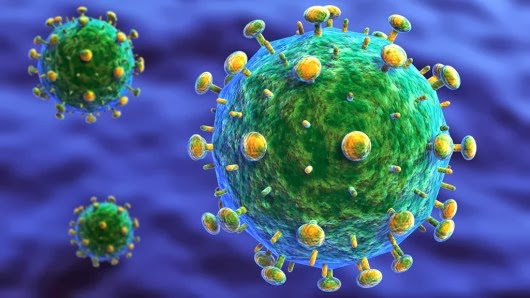 |
| Are our methods for detecting HIV sensitive enough? |
Two HIV+ patients in Boston, one in 2008 and the other in 2010, also received bone marrow transplants to treat leukemia. However their donors did not have the resistance mutation. To the surprise of many doctors, the patients appeared virus free after the procedures and remained that way for years even after discontinuing antiretroviral medication.
Unfortunately now it has been announced that the virus has rebound in both patients. As well as being devastating news to the patients and their families, it has much wider repercussions in the medical world.
After receiving the transplants, the men underwent all sorts of test to measure their viral loads and none were able to detect HIV presence. Yet now it is clear the virus was there all along. This means that the tests we have are not good enough.
There is also the disturbing realisation that people previously described as "cured" may still have the virus lurking somewhere within them. Patients such as the infant cured of HIV will have to be carefully monitored for viral resurgence and those who have seen their viral load reduced to "none" on medication should refrain from discontinuing.
This is a huge set back in research into potential cures for HIV, the virus is even more persistent than previously thought and the design of more sensitive test for viral load is required urgently.
Sunday, 1 December 2013
Paper warning of dangers of GM corn retracted
Back in September of last year, a paper published in the peer-reviewed journal Food and Chemical Toxicology linked the genetically modified corn NK603 to adverse health effects in rats. Although previous long term studies had shown no ill-effects of a diet of GM crops, these two year long study disturbingly showed higher rate of cancer and reduced lifespan of rats fed on NK603 in comparison to the control groups. Publication of these findings led to further public fear and confusion over the actual risk of GM crops.
At the time, many scientists questioned the reliability of the paper "Long-term toxicity of a Roundup herbicide and a Roundup-tolerant genetically modified maize". Cited were issues with the methodology, very low statistical significance linked to small sample size and, significantly, that the strain of rats used in the study (known as Sprague-Dawley rats) are incredibly susceptible to the spontaneous growth of tumors as they age. The $1.4 million study was also plagued with accusations of bias, with conflicts of interests on both the sides of its supporters and those who petitioned for its removal from the journal.
On the 28th November 2013 however, the journal announced the redaction of the paper, following analysis of the data and an investigation into the peer-review process it went through. In a press conference, Corinne Lepage, a Member of the European Parliament and a founding member of one of the funding bodies behind the paper, explained that the retraction of the paper "will not make these questions [about the safety of GM crops] disappear".
It is entirely necessary that further studies into the possible risks of GM crops (and the benefits that they generate too) are carried out. However it is vital that these are performed with the best scientific rigor, to prevent further confusion for the public and embarrassment to those working in these fields.
Removal of the paper is unlikely to dampen the public concern over GM crops that its initial publication generated. Like the now decades-old vaccine scares, the general media finds it much easier to promote scare stories involving small, unreliable (or, in some terrible cases, fabricated) data than to rationally and delicately explain finding to the lay-person. This means that it is on the shoulders of the scientific community to ethically and without bias report real findings in such a way that any rational person is able to determine their reliability for themselves.
At the time, many scientists questioned the reliability of the paper "Long-term toxicity of a Roundup herbicide and a Roundup-tolerant genetically modified maize". Cited were issues with the methodology, very low statistical significance linked to small sample size and, significantly, that the strain of rats used in the study (known as Sprague-Dawley rats) are incredibly susceptible to the spontaneous growth of tumors as they age. The $1.4 million study was also plagued with accusations of bias, with conflicts of interests on both the sides of its supporters and those who petitioned for its removal from the journal.
 |
| NK603 is resistant to the herbicide glyphosate and approved for human consumption |
On the 28th November 2013 however, the journal announced the redaction of the paper, following analysis of the data and an investigation into the peer-review process it went through. In a press conference, Corinne Lepage, a Member of the European Parliament and a founding member of one of the funding bodies behind the paper, explained that the retraction of the paper "will not make these questions [about the safety of GM crops] disappear".
It is entirely necessary that further studies into the possible risks of GM crops (and the benefits that they generate too) are carried out. However it is vital that these are performed with the best scientific rigor, to prevent further confusion for the public and embarrassment to those working in these fields.
Removal of the paper is unlikely to dampen the public concern over GM crops that its initial publication generated. Like the now decades-old vaccine scares, the general media finds it much easier to promote scare stories involving small, unreliable (or, in some terrible cases, fabricated) data than to rationally and delicately explain finding to the lay-person. This means that it is on the shoulders of the scientific community to ethically and without bias report real findings in such a way that any rational person is able to determine their reliability for themselves.
Sunday, 24 November 2013
Ancient life: the oldest living organisms
I would like to begin by making it clear that Ming the clam was not killed with any malice. Scientists at Bangor University were studying the ocean quahog clams (Arctica islandica) to investigate both climate changes in the ocean and the process of aging. It was only upon Ming's unfortunate death that its remarkable age was known.
Ming (so named as it would have begun it's life at the time of the Chinese Ming dynasty) has been making headlines recently as the oldest individual animal who's age could be accurately recorded, making it to around 507 years before being dredged up off the coast of Iceland. This species of clam are notoriously long-lived, in all probability Ming's much older relatives are still living content lives on the ocean floor.
Longevity in individual animals is of great interest to scientists. As we as a species are living longer, it benefits us to see how other creatures cope with the metabolic stress of lives spanning centuries.

Adwaita the Giant Tortoise reached 255 years
Giant tortoises are probably the most well known terrestrial animals to hit the two century mark, the most famous being Adwaita the male Aldabra Giant Tortoise. When he died in the Alipore Zoological Gardens in India in 2006 his age was estimated at 255 years, putting the average Blue Peter pet to shame. A pet of Clive of India, he was moved to the zoo in 1875, over a 100 years after his initial owner's suicide.
For marine animals however a couple of centuries of life is not uncommon. Specimens of black corals (Antipatharia) have been identified as the oldest continuously living animal on the planet - 4,265 years old being the key number here. To give a sense of scale, this coral began life in the late Bronze age, a millennium before the human population even reached 50 million.
On land, individual plants have become famous for their age. The UK boasts two of the top ten oldest individual trees in the world, with the Fortingall Yew (Perthshire, Scotland) clocking in at around 2500 years and the Llangernyw Yew ( Llangernyw, North Wales) thought to be over 4000 years old. Both are Taxus baccata, an ancient yew species not uncommon in European churchyards.
The exact location of the single most ancient individual tree in the world is kept secret to protect it from overenthusiastic tourists. It is know though that there is a Great Basin Bristlecone Pine (Pinus longaeva) who's ring count put it at 5063 years old. Located somewhere in the White Mountains of California, this tree was growing at the same time the pyramids were constructed.
Once we leave the world of individual creatures, longevity is expected. The world of colonial organisms is fascinating, from the world's largest organism (an individual fungus of the species Armillaria solidipes that covers 2,384 acres beneath the Malheur National Forest) to pine colonies in Tasmania estimated at 10,000 years old (individuals within the colony living to over 3,000 years).
These colonies can be fully connected via their root systems, and whilst at any given time only a fraction of the colony is "alive" in the sense of having an active metabolism, the colony is one genetically identical system. This can make calculating the age of colonial plant systems difficult, especially as the ages get more and more extreme, due to the many climate changes that they have likely survived through.

Pando - a colonal colony of Quaking Aspen
In the Fishlake National Forest, Utah, lives a colony know as The Trembling Giant, or Pando (latin for "I spread"). This clonal colony covers 106 acres, weighs 5900 tonnes, and has over 40,000 trunks emerging from the ground. All this is interconnected by a single root system. It is this one root system that allows Pando to break the record for oldest organism, estimated at 80,000 years old (some recent debate suggests it may be even older than that).
For those of you struggling to imagine just how long those same Quaking Aspen(Populus tremuloides) roots have been living and growing, eighty thousand years ago we as a species were thinking about leaving continental Africa.
These organisms have grown and thrived through millennia of human progress and spread. Likely they will continue well after we are done on this planet - as long as we can leave them well enough alone.
Thursday, 12 September 2013
The first immortal line
 |
| Henrietta Lacks |
Henrietta Lacks
That year, she moved with her family to Maryland, where her husband Day got a job at the steel mill. Henrietta and Day went on to have another three children in the next nine years. After giving birth to her last child, a boy named Joseph, Henrietta was in significant pain and bleeding profusely. A local doctor tested her for syphilis, and when that came back negative sent her to John Hopkins Hospital – the only hospital in the area that would treat black patients.
At the hospital, Dr Howard Jones examined Henrietta, performed a biopsy on a lump on her cervix and found she was suffering from a malignant epidermoid carcinoma of the cervix (cervical cancer) and treated her with radium tube inserts. During these radiation treatments, further samples of Henrietta’s cervix were taken – both from healthy and cancerous tissues – without her permission.
Eight months after her initial admission to the hospital, Henrietta Lacks died through complications caused by the cancer that had now spread throughout her body. She was buried without a headstone, near to her mother’s grave in Halifax County, Virginia at the age of 31.
The sample taken from the cancerous growth in Henrietta’s cervix was given to George Otto Gey, who was able to grow the cells in vitro. These were the first human cells ever to be successfully propagated in a laboratory and were to have a profound impact on medical research. The cells were named HeLa cells, in an attempt to maintain Henrietta Larks’ anonymity. However within a few years, she was identified in the press. Gey did not attempt to patent the cell line; instead he donated the cells and the processes necessary to grow them to researchers simple for the sake of science and to benefit medical advances.
In the early 1950s, polio epidemics were devastating the USA. In 1952, over 57, 000 cases were reported, leading to 3,145 deaths and 21, 269 cases of disabling paralysis. Dr Jonas Salk was dedicated to finding a way to prevent is horrifically debilitating virus, and required a line of cells, available in large volume, to test his new vaccine before clinical trials. HeLa cells were observed to be susceptible to poliomyelitis and are otherwise stable in culture. The National Foundation for Infantile Paralysis funded the establishment of a cell culture factory at Tuskegee University to supply Salk and other medical researchers with large quantities of the cells.
By 1955, Salk’s vaccine was declared safe and effective and rolled out across the USA, Canada Australia and Western Europe. Within two years, 100 million doses had been given throughout the USA alone, and many countries were reporting virtually no new cases of infection by poliomyslitis. Last year only 291 cases were reported across the whole world, leading to suggestions that soon polio may be eradicated completely.
HeLa cells have been used for research into many different areas of disease, with over 60,000 articles published on research performed on this cell line. From AIDS to hormone signalling to the effects of radiation, cells descended from those taken from Henrietta Lacks in 1951 have had a huge impact on science and are still being used today in research into gene changes and behaviours in cancer.
Henrietta Lacks’ cervical cancer was caused by an infection by the human papillomavirus 18 (for which there is now a vaccine). The virus transferred some of its own genome into that of the cells, causing the original HeLa line cells to have probably 82 chromosomes, rather than the normal 46. This cannot be known for sure, as due to the constant rapid and uneven division that is the nature of cancer cells, the genome of the HeLa cells in incredibly unstable. HeLa cells have also been seen to be capable of “infecting” other cell lines grown in the same laboratory, leading to the suspicion that several other established cell lines may now contain HeLa cells.
Due to the exceptional nature of the HeLa cells, in 1991 evolutionary biologist Leigh Van Valen proposed that they be defined as a new species, Helacyton gartleri. However this definition has not been accepted by the wider scientific community and HeLa cells remain considered as human.
For the Lacks’ family, since discovering in the 1970s that their mother’s cells had become an essential research tool, the continual growth of these cells (current estimates run at 20 tonnes of HeLa cells grown over the last 60 years) and the patenting of discoveries made using them have been a sore point. In the 1980s the family’s medical records were published without their consent and the complete HeLa line genome was sequenced and published on 11th March 2013, however it has since been taken down.
Whist in the 1950s, permission to harvest cells from a patient was not required, the commercialisation of one person’s cells had never occurred before. Whilst in 1990, the Supreme Court in California decreed that discarded cells or tissues are no longer a person’s property, some ethical issues remain with the use of the HeLa cell line. A ruling earlier this year had thankfully prevented the patenting of unmodified genes, stopping any one company or person profiting from all research done with these cells.
As of August this year, it was decided in a meeting with Henrietta Lacks’ surviving family that data on the HeLa cells’ genome would remain available under restricted access. Papers that utilise the HeLa cells will now recognise Henrietta and the contribution that her cells have made to the research. A committee has been formed, which includes members of the Lacks family, who will regulate access to the DNA code of the cells, hopefully allowing the cell lines to remain in medical research use for many years to come.
Henrietta Lacks has become in some way immortal. Her contribution to medicine in the last sixty years has been immense. In 2010, Dr Roland Pattilo donated a tombstone for Lacks, placed near where she is buried, reading:
“Henrietta Lacks, August 01, 1920-October 04, 1951.
In loving memory of a phenomenal woman, wife and mother who touched the lives of many.
Here lies Henrietta Lacks (HeLa). Her immortal cells will continue to help mankind forever.
Eternal Love and Admiration, From Your Family”
In loving memory of a phenomenal woman, wife and mother who touched the lives of many.
Here lies Henrietta Lacks (HeLa). Her immortal cells will continue to help mankind forever.
Eternal Love and Admiration, From Your Family”
Later published on Nouse Online
Friday, 6 September 2013
The future is in your genes
Phenylketonuria (PKU) is a genetic disorder that causes the build-up of the amino acid phenylalanine in the blood. Although babies born with this disorder initially appear normal and healthy, after a few months the children develop permanent intellectual disability, with delayed development and seizures frequently occurring. PKU is, however, symptomless if infants are given the correct treatment and the child will grow to a normal, healthy adult.
Many serious genetic diseases are initially symptomless but benefit greatly from early intervention. This is why all newborn babies in the UK are given a blood spot screening test; this checks for diseases such as PKU, cystic fibrosis and sick cell disease. These screening programs allow families either some piece of mind or time to prepare for the future of their child who may require specialised care.
The costs of sequencing DNA have, in recent years, dropped remarkably. The newborn blood spot test costs in the region of £65 and to sequence an entire human genome in now a little under £3500. A lot of the human genome however does not code for proteins (faulty proteins being the most likely cause of genetic disorders) – a vast amount of the human, around 99%, regulates the activity of the coding 1%, plays a structural role or has a currently unknown function; it is unlikely to be all completely unnecessary “junk”. The 1% of the genome that does actually encode proteins, the exome, can be sequenced for around £650, with remarkable accuracy.

Would you like to know if you were going to get Alzheimers? ©Tom Varco; Image credit: WikimediaCommons
Whilst this focus on prices may seem cold and calculating, the cost of research plays a major role in diagnoses. A child suffering from a mysterious illness twenty years ago, say a case of inflammatory bowel disease that was causing the gut to leak into the abdomen, may well have undergone years of intensive surgery with no successful outcomes. But now, as in the case of Nicholas Volker, a full sequencing of his genome allowed the cause to be identified as a mutation in theXIAP gene, leading to a leukaemia-like disorder. One bone marrow transplant later and Nicholas is able to lead a healthy life.
Exome sequencing is allowing patients with rare disorders to finally get the diagnosis that they need, both to receive treatment and plan their lives correctly – for example the tragic case of an infant girl with late stage liver disease, that was found to be caused by a series of mutations that would soon lead to fatal neurodegeneration and heart failure, this spared the infant the further trauma of a liver transplant and meant that her family was able to simply keep her comfortable for her last days. Although these diseases are rare, each one affecting maybe a handful of people across the whole world, rare diseases add up. Taken all together, rare hereditary diseases affect 25 million people in the United States alone.
Rare hereditary diseases affect 25 million people in the United States
Sequencing, for these patients, means a diagnosis rather than just treatment of symptoms. Here is it used for an explanation, not as a forecast; but this is what it could be. With sequencing costs reducing every year, it may not be long until all newborns have their entire exomes sequenced at birth, or until you may go to your doctors and ask what your future health may hold for you.
Children of patients suffering from Huntington’s diseaseare already offered a test to see if they carry it themselves; if they are, they may wish to avoid passing it on should they also have children. In the case of Huntington’s, carrying a faulting a faulty HTT guarantees that you will suffer from the neurodegenerative disorder. However few other diseases are quite so clear cut.
When Angelina Jolie found out she had a mutation in her BRCA1 gene, increasing her risk of breast cancer to 65-87% (calculations are dependent on the details of the mutation) she decided to undergo a double mastectomy, reducing her risk to getting breast cancer to <5 able="" again="" an="" and="" being="" do="" future="" genetic="" have="" health.="" here="" impact="" incredibly="" invoke="" knowing="" may="" mutations="" on="" one="" positive="" reduce="" risk="" s="" something="" the="" they="" to="">
But would you like to know if you had a copy of a variant APOE4 gene, doubling the risk of Alzheimer’s disease? Alzheimer’s is currently incurable, and can leads to years of suffering, both to the patients and their families. Many people may feel uncomfortable knowing that such a fate is likely to await them, yet others would argue that this would allow those at high risk to prepare better for their future.
Pre-emptive treatments, from statins given to those with moderately high cholesterol to a half aspirin a day for those at risk to blood clots, have been with us a long time. Perhaps it is time that these measures become tailored to each individual, dependant in their genetic profiles. In countries with private health care however, this is a sticking point. Insurance premiums for those deemed high risk for various diseases would do through the roof, likely preventing health care access to those who actually need it most.
The NHS too, may be unable to support such a system. Lifetime treatments become incredibly expensive, especially for a disease that may or may not have come to pass. Could a “life time risk” cut-off be put in place? How high would your disease risk have to be to quality for the treatment? 40%? 80%?
Currently, however, exome sequencing is only an option for those suffering from rare diseases. The human genome contains so many variants from person to person that evaluating risk for many complicated combinations of mutations will require vast amounts of in-depth knowledge of our genetic code, as the signal-to-noise ratio of mutations is still far too high to be clear. Drugs companies too will need to change their stance. Instead of making universal treatments worth billions of dollars, every drug will have to be targeted for individuals.
Ethical issues come in to play here too. Would you counsel those carrying many risky mutations to avoid having children, and those with particularly health codes to donate sperm and eggs? These are extreme fears, and cries that exome profiling will lead to eugenics have already been made, but likewise could a doctor morally allow two people to have a child if it meant that child would suffer from a debilitating disease.
These barriers, both ethical and financial stand still stand in the way of genetic health profiling for all, and many years of debates are yet to come as we try to navigate out way through the rapidly changing landscaper of modern medicine.
Published on The Yorker Online
Published on The Yorker Online
Subscribe to:
Posts (Atom)